
Seasonal Cooking
Seasonal Vegetables and the Rhythm of a Balanced Plate
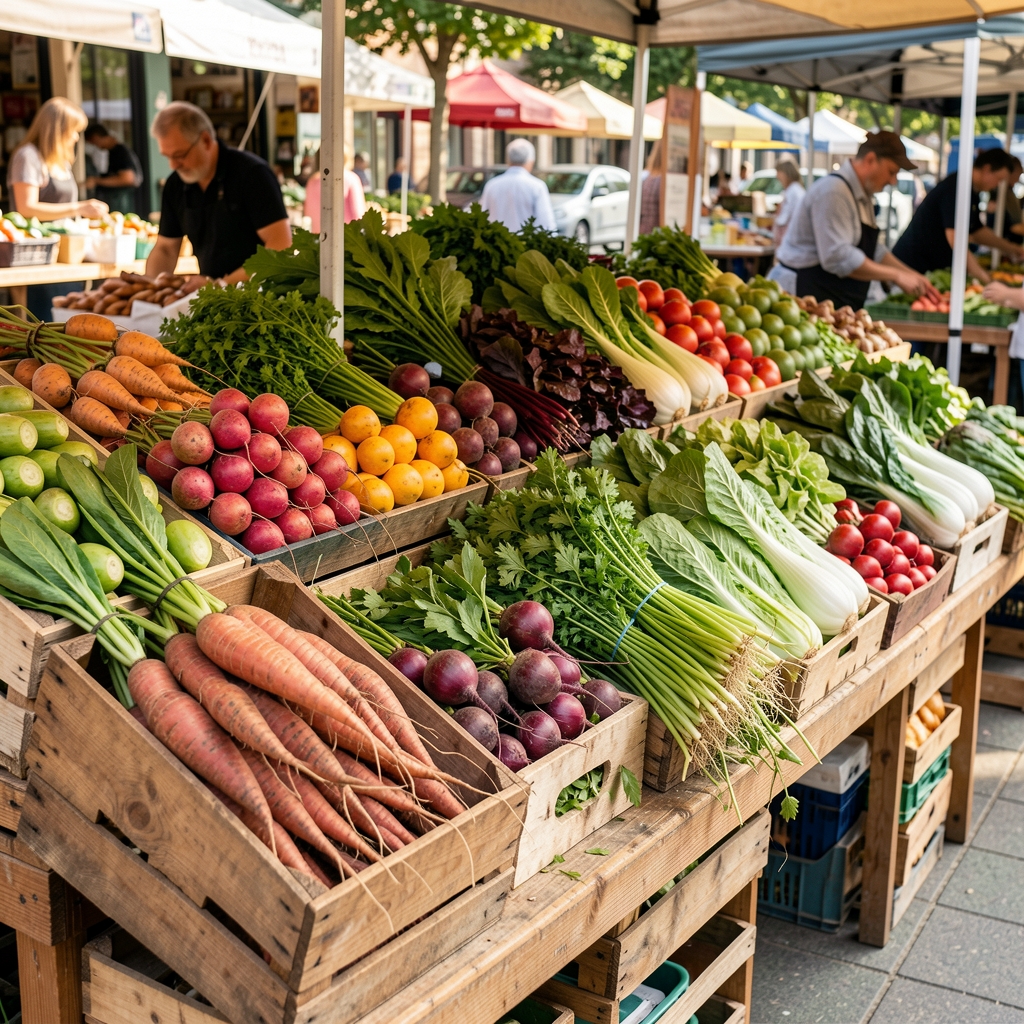
A considered look at how seasonal vegetables shape the texture and nutritional quality of everyday meals.
The weekly menu is not a new idea. Domestic economy manuals from the nineteenth century devoted pages to the logic of planning meals across a seven-day cycle, not because novelty was the aim but because predictability reduced waste, saved time, and allowed the household to eat well without making the same set of decisions each morning from scratch. That logic has not aged. What has changed is the context in which it operates — the availability of ingredients, the pace of working life, and the volume of nutritional information that surrounds every act of eating.
A meal plan that actually functions in a normal working week is not a rigid document. It is closer to a set of constraints that leave room for adjustment. The most durable plans identify three or four anchor meals — meals with significant preparation time that produce enough food for two sittings — and leave the rest of the week to simple assemblies: a grain, a legume, a green, something acid. The anchor meals provide the substance; the assemblies provide the variety.
Grocery planning in support of this structure begins not with recipes but with a store-cupboard audit. Understanding what is already present — the tin of chickpeas, the bag of red lentils, the unopened jar of tahini — changes the shopping list from a wish list into a targeted supplement. Purchases become proportional to actual need rather than aspirational cooking projects, and the rate of waste falls considerably.
Whole grains form the most reliable foundation for this kind of planning. They keep well, they cook in quantity without significant additional effort, and they are sufficiently neutral in flavour to pair with almost any vegetable or protein source. Farro, brown rice, buckwheat, and pearl barley each bring a different textural quality to a meal. Cooking a large pot of one of these on a Sunday afternoon changes the character of every meal that follows across the week.
Portion awareness is perhaps the most misunderstood element of dietary guidance. In popular representations it becomes associated with restriction — smaller plates, measured portions, deprivation as a strategy. In the published nutritional literature the framing is different: the goal is accurate perception of what one is eating, not the systematic reduction of food quantity.
A home-cooked meal serves awareness better than a restaurant meal or a packaged product for a simple reason: the cook knows what went into it. When portions are assembled in the kitchen from ingredients that have been weighed or measured at least occasionally, the relationship between what one eats and what the body receives becomes legible in a way that opaque processed food does not allow. This legibility is not the same as calorie counting. It is a more general orientation toward one's own eating.
The practical expression of this awareness is often as simple as using a bowl of a consistent size for grains, assessing a palm-sized portion of protein before serving rather than after, and including a generous quantity of vegetables without constraint. The asymmetry is important: the foods that benefit from measurement are energy-dense; the foods that benefit from generosity are nutrient-dense but low in energy density. Applying the same restricting logic to broccoli as to pasta misunderstands what portion awareness is for.

Weekly preparation in a home kitchen. London, February 2026.
Mindful eating, in the context of contemporary nutritional guidance, refers to a set of practices that slow the eating process, bring conscious attention to the experience of a meal, and create the conditions in which satiety signals from the body can be registered before they are overridden. The research basis for these practices is substantial, though the popular presentation often focuses on the performance of mindfulness rather than its functional outcome.
Home-cooked meals naturally support mindful eating in ways that convenience food rarely does. The act of cooking — of selecting ingredients, preparing them, smelling the meal as it develops — begins an anticipatory process that primes the body for food before it arrives on the table. This anticipatory phase has measurable effects on the digestive response to a meal. The meal eaten at a table, without a screen competing for attention, is processed differently from the same food consumed distractedly.
The food journal, mentioned in nutritional guidance as a tool for dietary self-monitoring, functions most usefully not as a real-time log of everything consumed but as a weekly retrospective. Looking back across a week of eating with honest attention — not to judge but to observe — reveals patterns that are difficult to see from within the week itself. The revelation is rarely dramatic. More often it is quiet: a recognition that vegetables appeared at dinner reliably but rarely at lunch, that hydration habits fluctuate sharply across the week, that weekend eating differs from weekday eating in ways that are not obviously intentional.
"The most durable plans identify anchor meals and leave the rest of the week to simple assemblies."
The term gut-friendly has migrated from specialist nutrition contexts into general food culture, where it sometimes attaches to specific branded products rather than to dietary patterns. The pattern-based understanding is more useful: a weekly diet that includes a wide variety of plant species, adequate fermented foods, and sufficient fibre from multiple sources supports digestive function in ways that a narrow diet with one or two probiotic supplements rarely replicates.
A practical gut-friendly weekly rotation might include: a fermented element at least twice (live yoghurt, kimchi, sauerkraut, kefir); a legume-based dish at least three times; a varied salad composition that introduces at least two new plant species per week beyond the habitual base; and a meal centred on allium vegetables — onion, leek, garlic — which provide prebiotic fibre. None of these require specialist ingredients or advanced cooking technique.
The fibre-rich diet that underpins digestive health is most easily built into a weekly routine through accumulation rather than dramatic daily effort. A tablespoon of ground flaxseed in porridge, the skin left on a potato, the lentils added to a soup that would otherwise contain none — these additions compound across a week in ways that a single deliberate high-fibre meal cannot reproduce.
Calorie awareness occupies an uncomfortable position in contemporary food culture: simultaneously over-emphasised as the only variable that matters for weight management and under-used as a basic orienting tool for understanding the relative energy density of different foods. The goal is neither to count every calorie consumed nor to ignore energy density entirely, but to develop a working intuition that informs choices without dominating the experience of eating.
Home cooking supports this kind of intuition better than restaurant eating or processed food consumption because the ingredients are visible and their relative quantities are known. A cook who has made the same lentil soup twenty times knows — without measuring — roughly what it contains. That embedded knowledge is more practically useful than periodic calorie logging, which requires sustained effort that few people maintain across a year.
The sustainable weight approach that published research consistently endorses is one built on dietary patterns rather than interventions. A pattern of regular home-cooked meals, adequate plant diversity, controlled portions of energy-dense foods, and weekly preparation discipline creates the conditions for gradual body composition change without the cognitive burden of continuous tracking. It is, in the fullest sense, an everyday nutrition practice rather than a programme.

Eleanor Whitfield is a senior contributing writer at Talera Review, where she covers everyday nutrition, seasonal food culture, and the intersection of dietary habit and active living. Her work draws on published dietary research and extended conversations with practising nutrition professionals across the UK.
More from Eleanor Whitfield →
A considered look at how seasonal vegetables shape the texture and nutritional quality of everyday meals.

An editorial reflection on how daily movement and dietary rhythm influence each other across a week of ordinary life.